Hard Water in Utah County: What It's Doing to Your Pipes
Utah water is some of the hardest in the country. Here's what scale buildup does to your water heater, fixtures, and appliances, plus when a softener actually pays for itself.
If you live anywhere from Lehi to Payson, you're drinking and bathing in some of the hardest water in the United States. Utah County averages 15 to 25 grains per gallon. Anything over 10 is considered very hard. That mineral load doesn't just leave spots on your dishes, it slowly eats your plumbing system from the inside.
What hard water actually is
Hard water is water carrying dissolved calcium and magnesium. When that water heats up or sits still, the minerals drop out of solution and stick to whatever surface they're touching. That's scale. In your house, that surface is the inside of your pipes, the heating element of your water heater, the flow restrictors in your faucets, and the internal seals of your dishwasher and washing machine.
Where you'll see it first
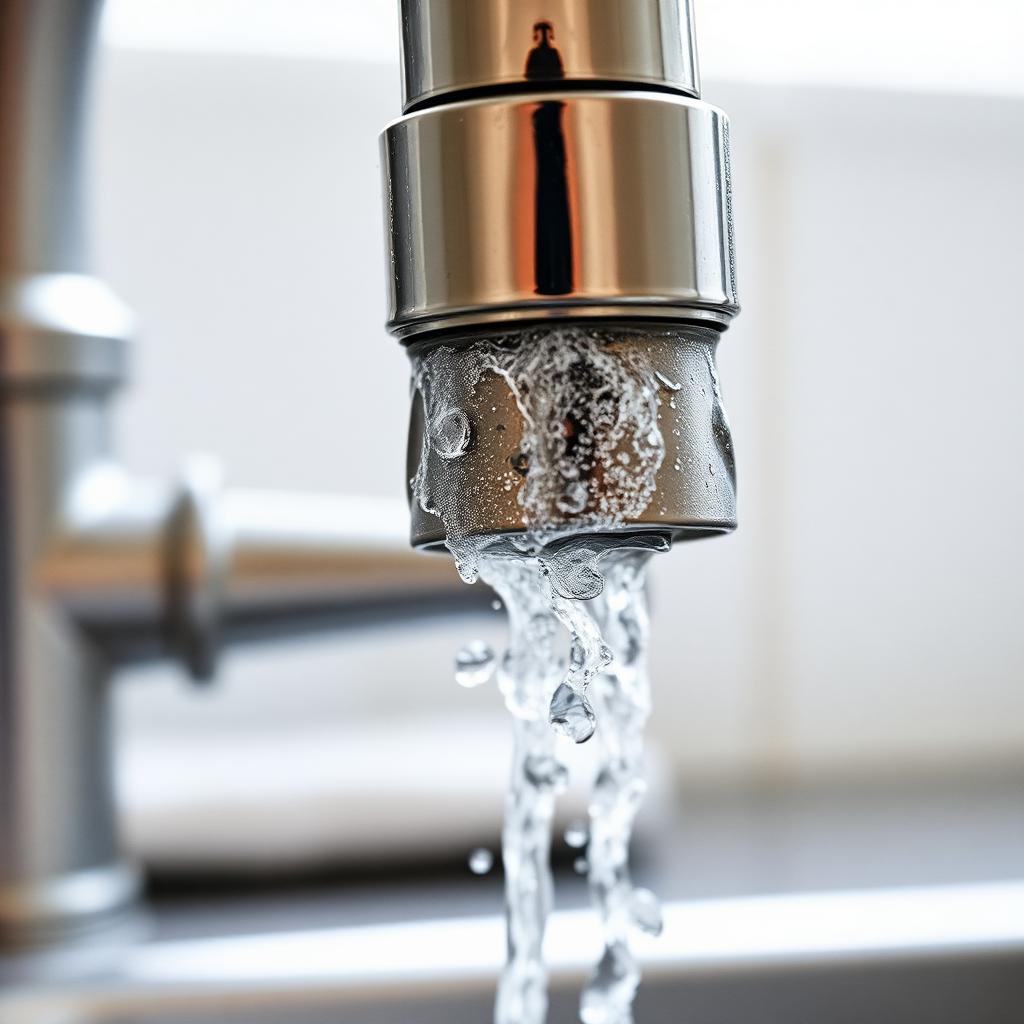
White crust building up around faucet aerators and shower heads
Glass shower doors that never quite come clean
Dishes coming out of the dishwasher spotty even with rinse aid
Soap that won't lather the way it should
Reduced hot water pressure over time
What it does to your water heater
This is the expensive one. In a standard tank water heater, scale settles on the bottom and coats the heating elements. Your heater has to work harder and longer to push heat through that insulating layer. You'll notice:
Popping and rumbling sounds during heating cycles (that's water flashing to steam under the scale)
Slower recovery between showers
Higher gas or electric bills
A tank that dies at year 7 instead of year 12
Tankless units get hit harder. The narrow heat exchanger passages scale up fast, and most manufacturers require an annual descale flush to keep the warranty valid. Skip that and you'll be replacing a $2,500 unit years early.
Softener vs. descaler: what actually works
There are basically two categories of whole home treatment sold in Utah:
Ion exchange softeners (traditional salt based)
These physically remove the calcium and magnesium and swap them for sodium. They work. Your soap will lather, your glass will stay clear, and your appliances will last longer. Downsides: you have to keep the brine tank full of salt, and the discharge goes to your sewer or drain field.
Salt free conditioners / descalers
These use a template assisted crystallization media to change the shape of the minerals so they don't stick. The minerals are still in the water. You'll still see some spotting, and your soap won't lather like it does with a true softener. But nothing gets discharged, no salt to buy, and you get real protection for water heaters and pipes.
When a softener pays for itself
A quality softener runs $1,500 to $3,500 installed depending on size and features. In a typical Utah County house you'll get that back through:
5 to 8 extra years on your water heater
Longer life on the dishwasher, washing machine, and ice maker
Roughly 20% less soap and detergent
Fewer plumbing repairs from scale caused pinhole leaks in copper
Maintenance either way
Regardless of what treatment you have, do these two things:
Flush your tank water heater once a year. Utah water builds sediment fast and this alone can double the life of the tank.
Descale tankless units annually, per manufacturer spec.
Before you call a tech, walk through the five quick checks our crews run first: filter, thermostat mode, outdoor unit airflow, breaker, and vents. Half the time it saves you a service call.
Panel capacity, permits, timeline, and typical cost range for a Level 2 charger install. We cover when your existing panel is fine and when an upgrade has to come first.