AC Struggling in the Wasatch Heat? Five Things to Check First
Before you call a tech, walk through the five quick checks our crews run first: filter, thermostat mode, outdoor unit airflow, breaker, and vents. Half the time it saves you a service call.
When temps along the Wasatch Front push past 95, we get calls all day from homeowners whose AC suddenly can't keep up. The good news: a lot of those calls end with a five minute fix the homeowner could have handled themselves. Before you spend money on a service visit, walk through this checklist.
1. Check the filter
A clogged filter is the single most common reason an AC stops cooling well. When airflow across the indoor coil drops, the system runs longer, freezes up, and eventually just circulates warm air. If you can't remember the last time you changed it, that's your answer. Standard 1 inch pleated filters should get swapped every 60 to 90 days during heavy use months.
2. Confirm the thermostat is set to COOL, not FAN
It sounds obvious, but we see it constantly. Someone bumped the thermostat, the schedule reset after a power blip, or the mode got switched to FAN ON, which pushes room temp air through the vents without any cooling. Set it to COOL, drop the setpoint five degrees below room temp, and listen for the outdoor unit to kick on within a minute or two.
3. Look at the outdoor unit
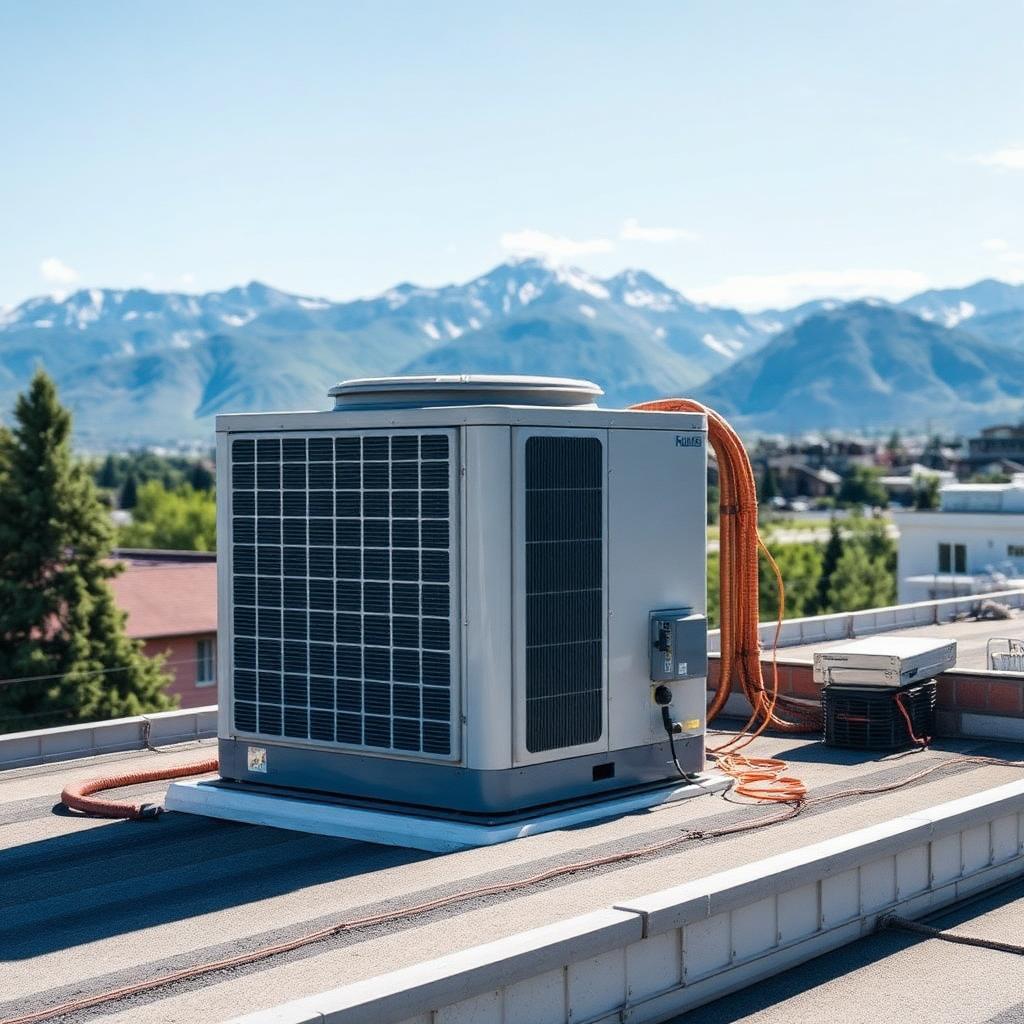
Walk outside to the condenser (the big metal box). Two things to check:
Is the fan on top spinning? If the thermostat is calling for cooling and it's dead still, that unit needs a tech.
Are the coil fins choked with cottonwood fluff, grass clippings, or dust? Utah summers pack them fast. Shut off the disconnect and rinse the fins gently from the inside out with a garden hose. Never a pressure washer.
Also make sure nothing is stacked within two feet of the unit. It needs room to breathe.
4. Check the breaker and the disconnect
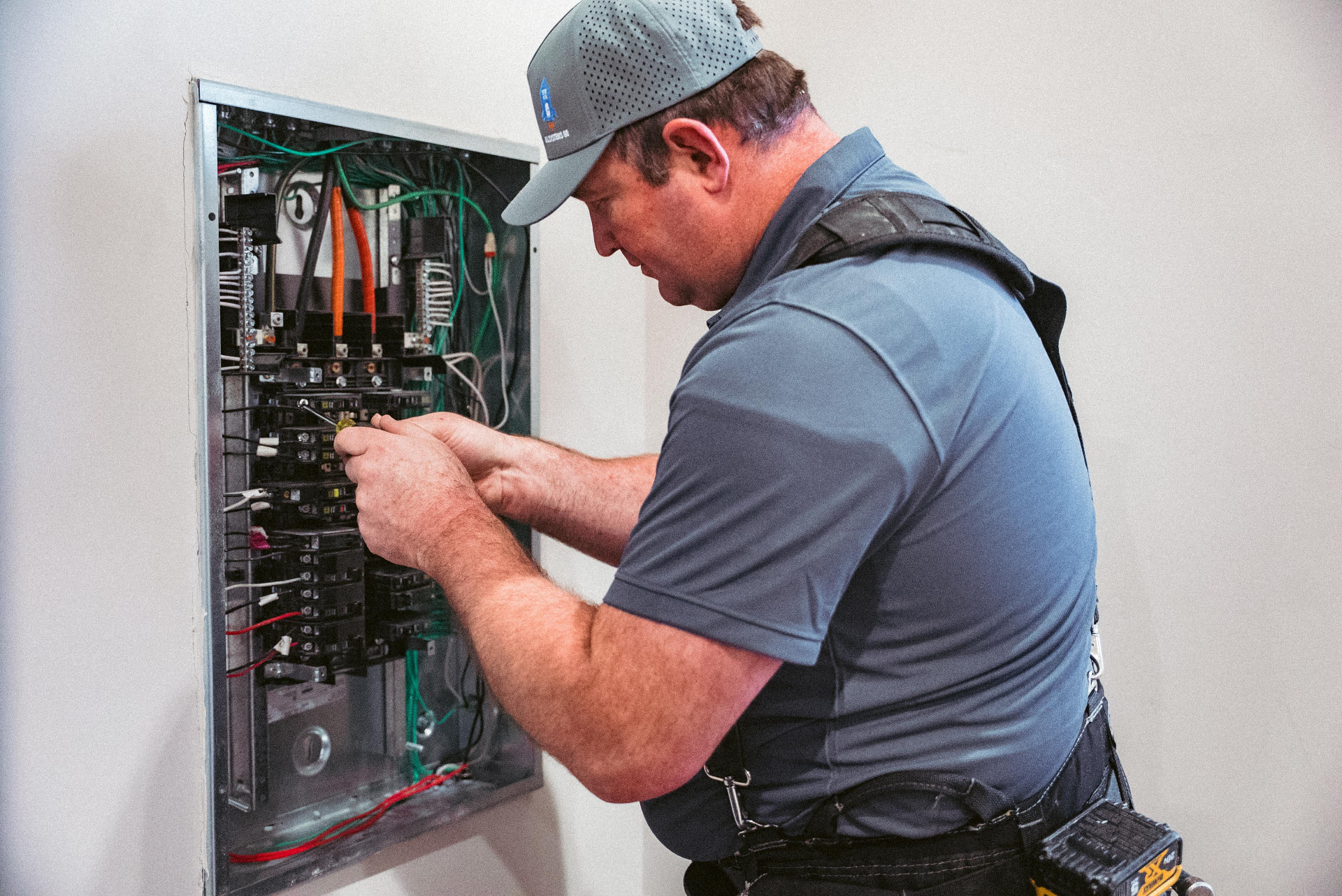
Your AC has two breakers: one in your main panel labeled AC or CONDENSER, and a pull out disconnect box mounted on the wall next to the outdoor unit. If either has tripped, flip it fully OFF, wait 30 seconds, then back ON. If it trips again immediately, stop. That's an electrical fault and it needs a licensed tech, not another reset attempt.
5. Walk the house and open every vent
Closed supply registers in unused rooms don't save money. They raise pressure in the ductwork, cut airflow across the coil, and make the whole system work harder. Open every supply and return vent in the house. Move furniture and rugs off floor vents. Your system is designed around the full duct layout being open.
When to actually call
If you've worked through those five and the house still isn't cooling, or you're seeing any of these, pick up the phone:
Ice on the copper line coming off the indoor unit
Water pooling around the furnace or air handler
Loud grinding, hissing, or repeated clicking at the outdoor unit
Warm air blowing from vents with the outdoor unit clearly running
Can lights and ceiling fans look like simple upgrades until you get into the attic. Here is what actually drives the price, the code rules that apply in Wasatch Front cities, and how long a typical job takes.
The first cold morning of the season is when furnaces fail and phone lines jam. Run this checklist in late August or September and you will find the problem while it is still a cheap fix.