Swamp Cooler vs. Central AC in Utah: Which Makes Sense for Your Home
Utah's dry air is the one climate where evaporative cooling genuinely works. It is also the state where monsoon humidity makes it fall apart in August. Here is an honest comparison.
Utah is one of the few places in the country where the swamp cooler versus air conditioner debate is a real debate. Our dry summer air is exactly the condition evaporative cooling needs. That is why so many Wasatch Front homes built before the 2000s came with a cooler on the roof. Whether you should keep it is a different question.
How each one actually works
An evaporative cooler pulls outside air through wet pads. Water evaporating into dry air absorbs heat, so the air coming out is cooler and much more humid. It needs windows cracked to push that air back out of the house. Central AC is a closed loop. Refrigerant moves heat from inside your house to the outdoor condenser, and it removes humidity as a side effect. The house stays sealed.
Where the swamp cooler wins
Operating cost. A cooler typically draws a fraction of the power of a compressor, so summer bills are dramatically lower.
Equipment and install cost. Replacing a cooler is a fraction of the cost of a new AC system.
Dry air relief. In June and early July, when Salt Lake humidity is often in the teens, a cooler makes a house genuinely comfortable and adds moisture people appreciate.
Constant fresh air. It is always bringing outdoor air in, not recirculating.
Where it falls apart
Monsoon season. When July and August humidity climbs, evaporation slows and the cooler stops cooling. It just makes the house damp and sticky.
Temperature floor. A cooler can usually pull air down 20 to 25 degrees below outdoor temp at best, and only in ideal dry conditions. On a 100 degree day that is not enough for a lot of people.
Windows open. Cracked windows mean dust, pollen, noise, wildfire smoke, and a security consideration.
Maintenance. Pads, pump, float valve, belt, and a full winterize and blowout every fall. Skip it and you get a frozen line and a leak.
Moisture. Added humidity is not friendly to hardwood floors, and poor drainage on a rooftop unit is a leak source.
Resale. Buyers increasingly expect central air, and appraisers and agents treat cooler only homes as a deduction.
The honest recommendation
If your cooler works, your house is comfortable in August, and you like the low bills, keep running it and maintain it. There is no reason to spend thousands to solve a problem you do not have.
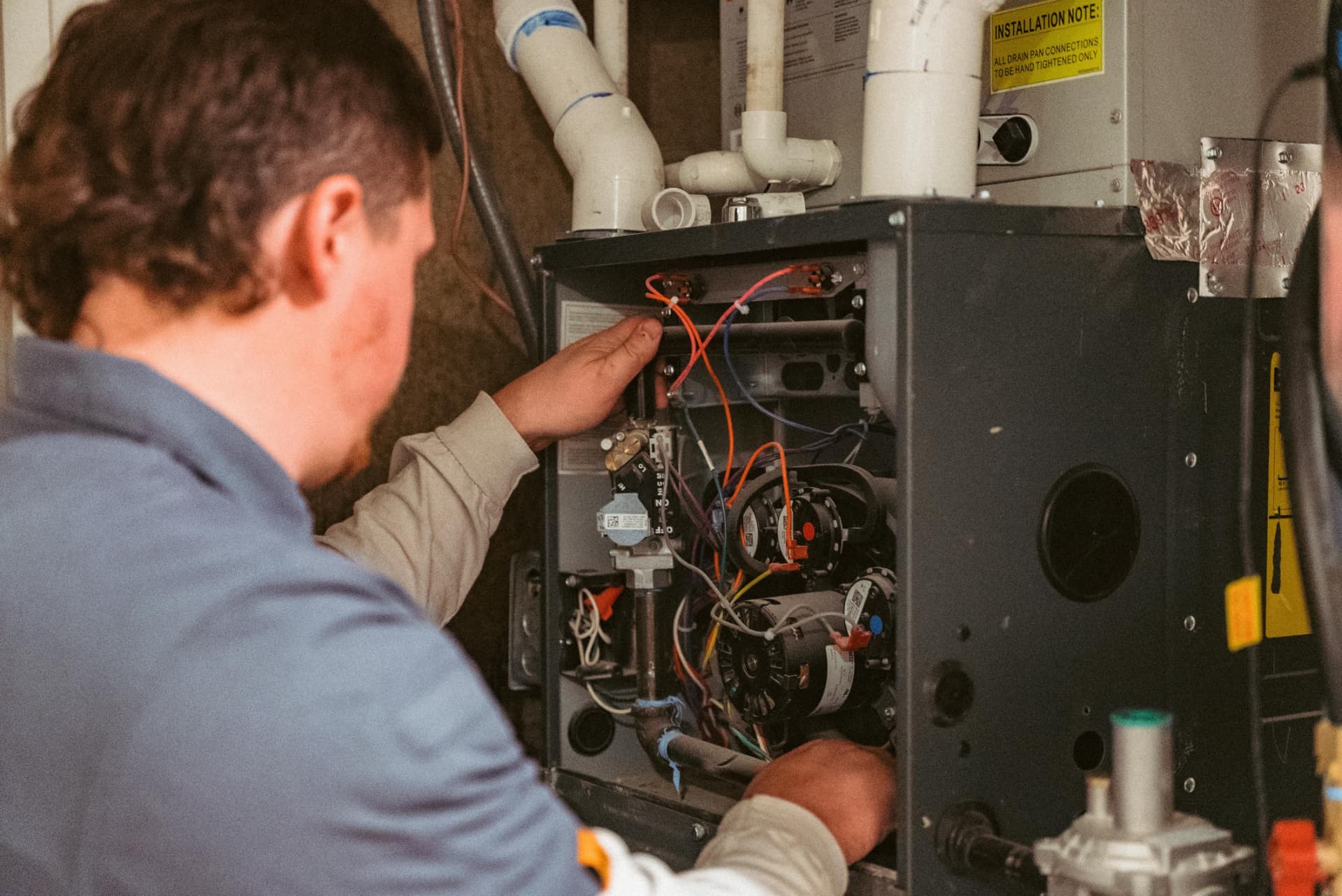
Convert to central AC if any of these are true: you have someone in the house with allergies or asthma made worse by open windows, you cannot sleep on smoke days, your house is above about 2,500 square feet, you are already replacing the furnace, or the August humidity leaves the house muggy every year. If you are replacing the furnace anyway, adding AC at the same time is far cheaper than doing it as a separate job later, because the indoor coil, the line set, and the electrical work all happen once.
What a conversion involves
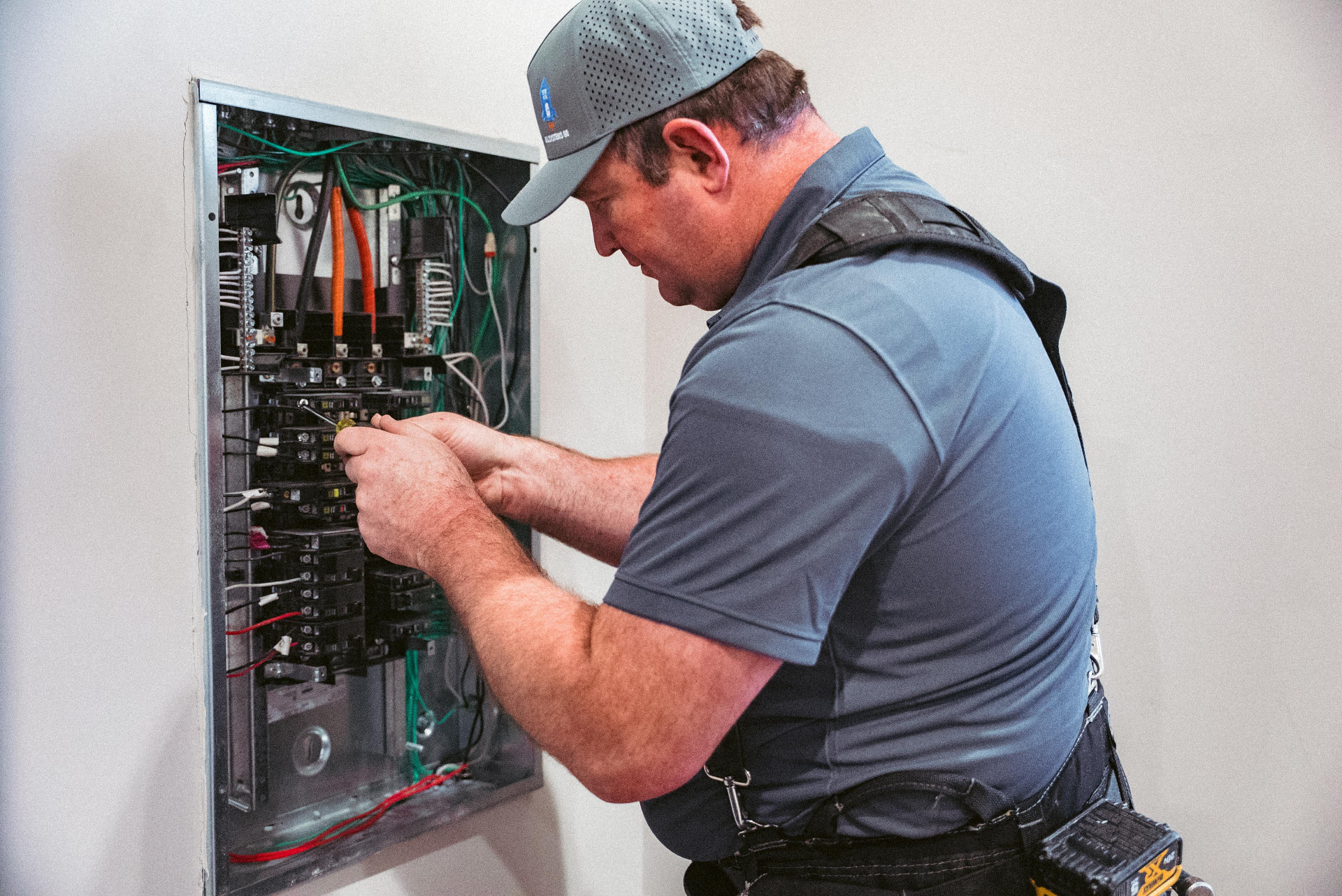
A typical Utah conversion means an outdoor condenser on a pad, an evaporator coil installed on the existing furnace plenum, a line set run to the outdoor unit, a condensate drain, and a dedicated 240V circuit from the panel. If your ductwork was sized for a cooler it may need modification, since a cooler moves a lot more air volume than an AC system. We check the duct sizing before we quote, not after.
The middle option
If you have no ducts at all, or you only need to fix two hot rooms upstairs, a ductless mini split is often the better answer than either. One outdoor unit, one or more indoor heads, high efficiency, and it heats too.
Can lights and ceiling fans look like simple upgrades until you get into the attic. Here is what actually drives the price, the code rules that apply in Wasatch Front cities, and how long a typical job takes.
The first cold morning of the season is when furnaces fail and phone lines jam. Run this checklist in late August or September and you will find the problem while it is still a cheap fix.