Signs Your Electrical Panel Needs an Upgrade (Wasatch Front Homes)
Most Utah homes built before the late 1990s have 100 or 125 amp service that was never sized for today's loads. Here are the signs your panel is at its limit and what an upgrade actually costs.
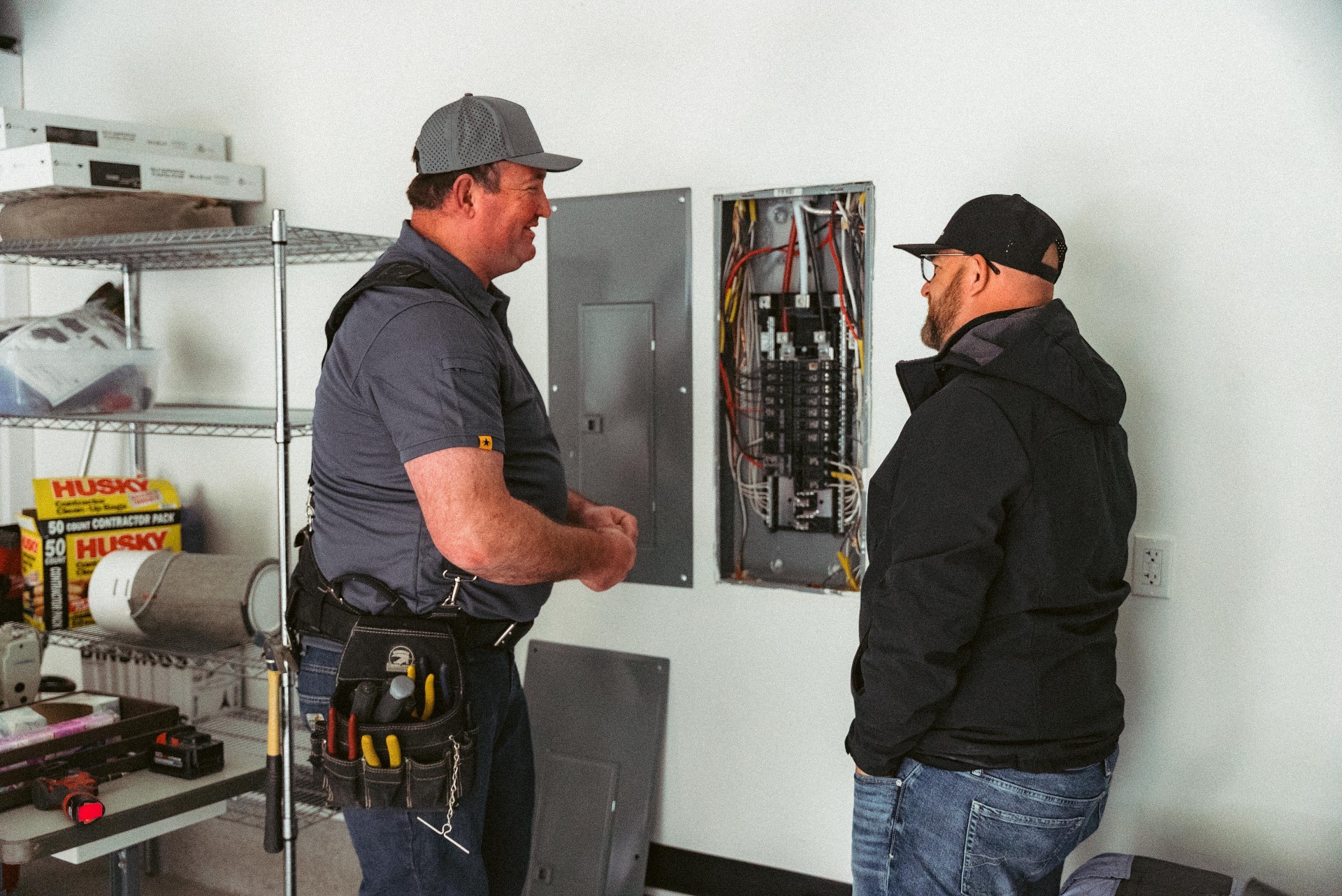
Your panel is the one piece of your electrical system that everything else depends on, and it is the piece most homeowners have never looked inside. If your house is older than about 1995 along the Wasatch Front, there is a good chance the service was sized for a different era of appliances.
Start with the number on the main breaker
Open the panel door and look at the big breaker at the top or side. It will say 100, 125, 150, or 200. That is your service size. Homes built in the 1960s and 1970s often have 60 or 100 amp service. The 1980s and early 1990s typically got 100 or 125. Post 2000 construction is usually 200. A 100 amp service was reasonable when a house had a furnace, a range, and a couple of TVs. It gets thin fast once you add central AC, an electric range, a hot tub, and an EV.
Signs the panel is at or past its limit
Lights dim noticeably when the AC or a large appliance kicks on
Breakers trip on a regular basis with normal household use
No open slots left, or someone has already doubled up with tandem breakers
Warmth, buzzing, or a burning smell at the panel
Rust or water staining inside the cabinet
You still have a fuse box rather than breakers
You are relying on extension cords and power strips as permanent wiring in multiple rooms
Panel brands that are a problem on their own
Two brands come up constantly in older Utah homes. Federal Pacific Stab-Lok panels have a well documented failure rate where breakers do not trip under fault conditions. Zinsco panels have a similar reputation, with bus bars that corrode and breakers that weld themselves closed. Neither is repairable in any meaningful sense. Home inspectors flag them, some insurers will not write a policy over them, and we recommend replacement even when the panel appears to be working.
Upgrades that force the conversation
A lot of panel upgrades are not driven by a problem, they are driven by an addition. The most common ones we run into here:
Level 2 EV charger, typically a 40 or 50 amp circuit
Central AC added to a home that previously had a swamp cooler
Hot tub or spa, usually 50 amp
Finished basement with new circuits, lighting, and possibly a kitchenette
Electric range or dryer replacing gas appliances
Solar with battery backup, which needs specific busbar capacity
We run a load calculation per NEC 220 to determine whether the existing service can carry the new load. That calculation, not a guess, is what tells you whether you need an upgrade or just a new circuit.
What the job looks like
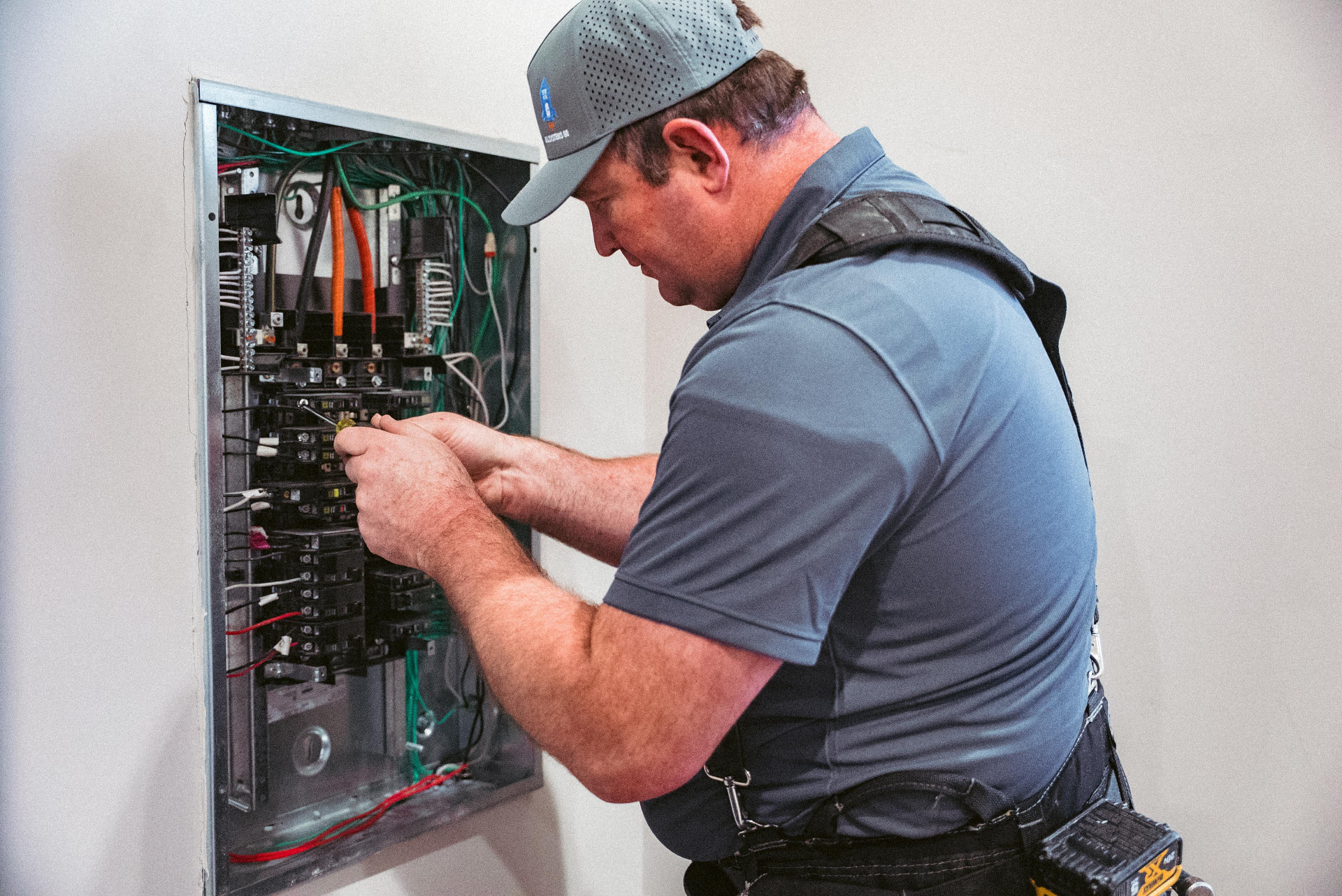
A service upgrade to 200 amps means a new panel and main breaker, new service entrance conductors, a new meter base in most cases, updated grounding and bonding to current code, and every existing circuit landed and labeled. Rocky Mountain Power has to disconnect and reconnect the service, which we schedule with them. Expect the power to be off most of one day, and expect a city inspection before it goes back on. Budget roughly $3,000 to $5,500 for a typical Wasatch Front residential upgrade, more if the meter has to move or the service is overhead and needs a new mast.
Do not do this yourself
The conductors feeding your panel are live even with the main breaker off. There is no safe homeowner version of this job. It is permitted, inspected, licensed work in every city we serve.
Can lights and ceiling fans look like simple upgrades until you get into the attic. Here is what actually drives the price, the code rules that apply in Wasatch Front cities, and how long a typical job takes.
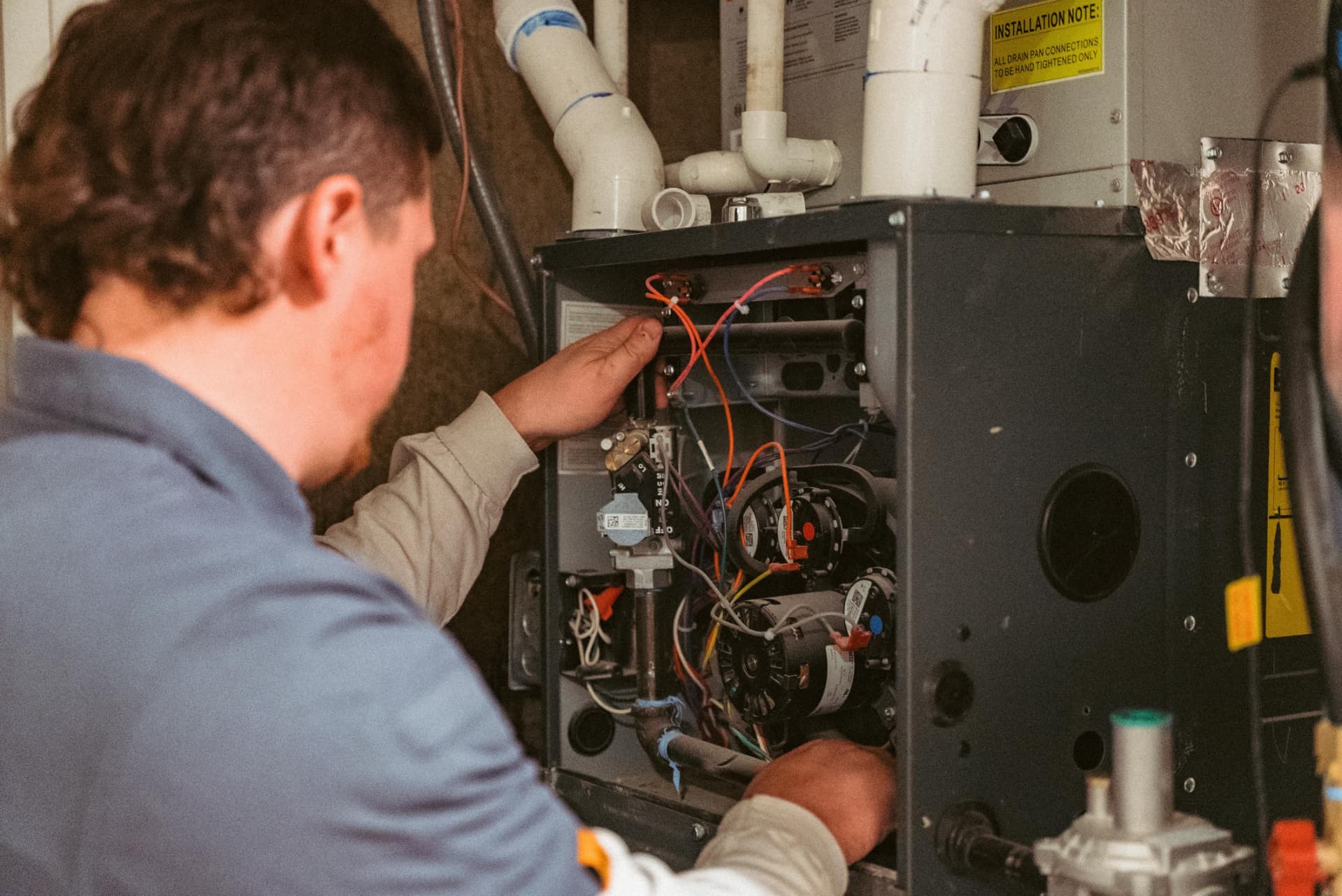
The first cold morning of the season is when furnaces fail and phone lines jam. Run this checklist in late August or September and you will find the problem while it is still a cheap fix.