How Much Does AC Repair Cost in Utah? Real 2026 Price Ranges
Capacitor, contactor, fan motor, refrigerant leak, or full replacement. Here are the honest 2026 price ranges along the Wasatch Front and how to tell which one you are looking at.
Nobody likes calling for AC repair without any idea what it is going to cost. Here are the real ranges we see along the Wasatch Front in 2026, what drives them, and where the line sits between repairing and replacing. These are all in numbers including the diagnostic, parts, and labor for a typical residential system.
The diagnostic fee
Most Utah companies charge $89 to $150 to come out and diagnose. That covers the trip and the tech's time to actually find the fault rather than guess. Ours is applied toward the repair if you move forward the same visit. Be skeptical of a free diagnostic that turns into a hard sell on a new system.
Common repairs and what they run
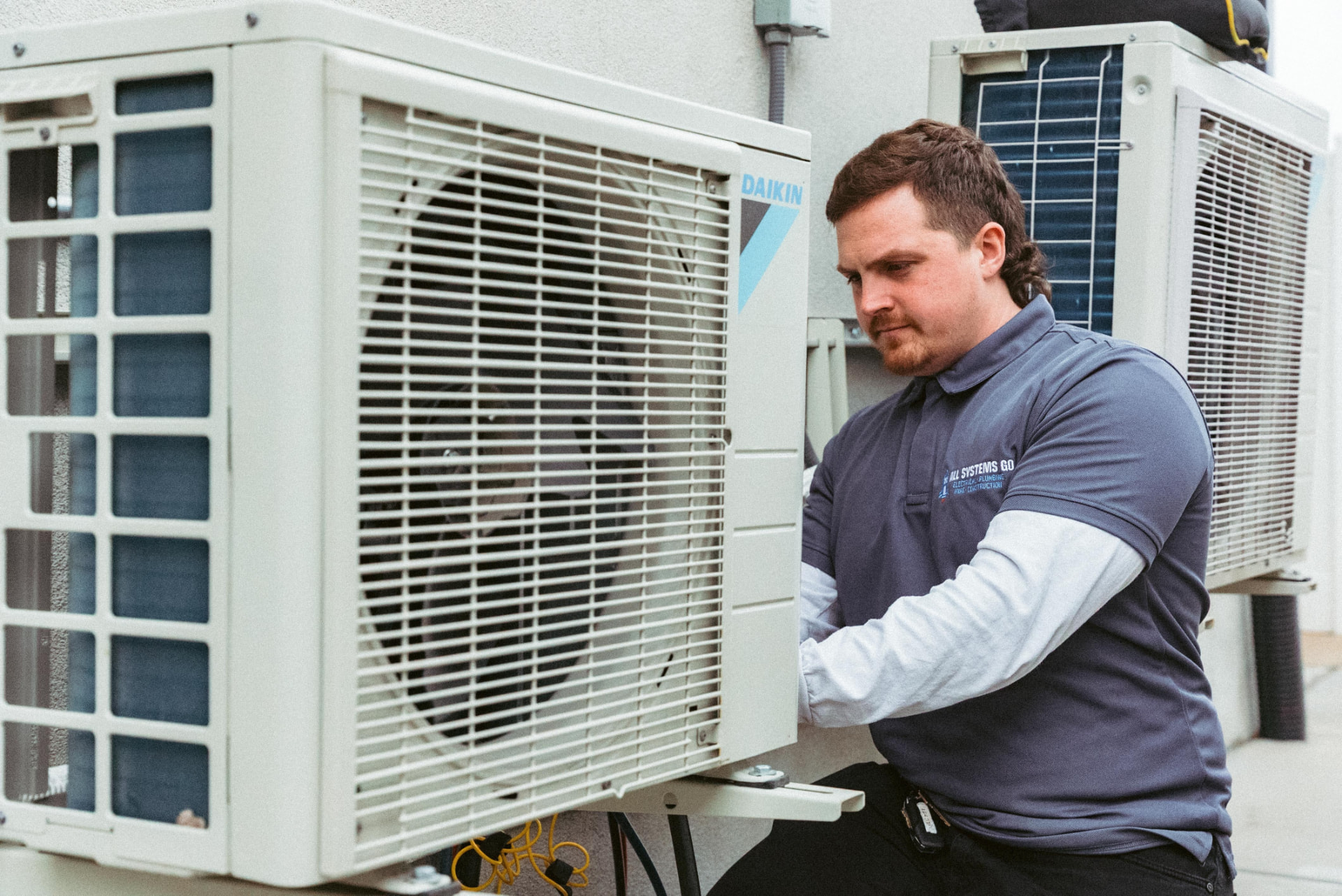
Capacitor replacement: $180 to $350. The most common summer failure by a wide margin. The symptom is a humming outdoor unit with a fan that will not start.
Contactor replacement: $200 to $400. Pitted contacts cause chattering or a unit that will not engage at all.
Condenser fan motor: $450 to $800. Unit hums, coil gets hot, fan blade does not turn even with a nudge.
Blower motor: $500 to $1,100 depending on whether it is a standard PSC or a variable speed ECM.
Refrigerant leak search and repair: $400 to $1,500. Cost swings on where the leak is. An accessible fitting is cheap. A leaking evaporator coil is not.
Refrigerant recharge: $150 to $400 for R-410A systems. Older R-22 units are far more expensive because the refrigerant is phased out.
Evaporator coil replacement: $1,200 to $2,800.
Condensate drain clearing: $150 to $300.
Thermostat replacement: $180 to $450 installed depending on the model.
Compressor replacement: $1,800 to $3,500. This is the decision point discussed below.
Why the ranges are ranges
Three things move the number: the part itself and whether it is still in warranty, the accessibility of the equipment, and the age of the system. A rooftop unit in an older Salt Lake City home costs more in labor than a ground level condenser in a Lehi backyard. And if your system is under 10 years old, check the manufacturer warranty first. Parts are often still covered even when labor is not, which can cut a compressor job substantially.
Repair or replace
The old rule of thumb is to multiply the repair cost by the age of the system, and if the result exceeds about $5,000, replacement usually makes more sense. It is a rough guide, not gospel. Here is how we actually think about it:
Under 8 years old: repair almost always. The system has plenty of life left.
8 to 12 years: repair, unless it is a compressor or a coil, in which case run the numbers on replacement.
Over 12 years, or any R-22 system: put serious weight on replacement. R-22 is no longer produced, recharges are expensive, and every future repair on that system faces the same problem.
Second major failure within two seasons: replace. You are funding someone else's parts inventory at that point.
What a new system costs here
For most Wasatch Front homes, a new AC condenser and matching coil installed lands between $5,500 and $9,000 depending on tonnage, efficiency rating, and whether ductwork or electrical needs attention. A full furnace and AC system replacement is typically $9,000 to $15,000. Higher SEER2 equipment costs more up front and pays back over years, not months, so it makes the most sense if you plan to stay in the house.
How to avoid the expensive calls
Most of the repairs on that list start small. A dirty coil makes the compressor work harder for years before it fails. A weak capacitor is a $200 part that takes out an $1,800 compressor when it goes. An annual tune-up catches those while they are still cheap, and it keeps the manufacturer warranty valid, since most require documented annual maintenance.
Can lights and ceiling fans look like simple upgrades until you get into the attic. Here is what actually drives the price, the code rules that apply in Wasatch Front cities, and how long a typical job takes.
The first cold morning of the season is when furnaces fail and phone lines jam. Run this checklist in late August or September and you will find the problem while it is still a cheap fix.